The Polabians and the First Polish Kings: Two Paths in the Northern Storm
The Polabians and the First Polish Kings: Two Paths in the Northern Storm
From the Captain's Treasure Trove. It is a known fact among seasoned navigators that two ships, launched from the exact same shipyard and built of the exact same timber, can meet vastly different fates once they face the open sea. One might catch the trade winds and chart a glorious empire, while the other might be splintered against unforgiving rocks, sinking into the forgotten depths of history.
Such is the tale of two sister peoples of the early medieval period: the Polabian Slavs and the Polans, who gave rise to the legendary Piast Dynasty and the first Kingdom of Poland.
The Polabian Slavs: The Vanquished Cousins
The Polabian Slavs—named from po Labe, meaning "along the Elbe"—inhabited the vast, marshy plains and dense forests of what is today eastern Germany. They were the westernmost of the Slavic tribes, existing as a turbulent buffer zone between the rapidly organizing Slavic world to their east and the powerful Germanic Holy Roman Empire to their west.
The Captain observed that they were not a unified empire, but rather a loose confederation of fierce, independent tribes, including the Obotrites in the northwest, the militant Veleti in the center, and the Sorbs in the south.
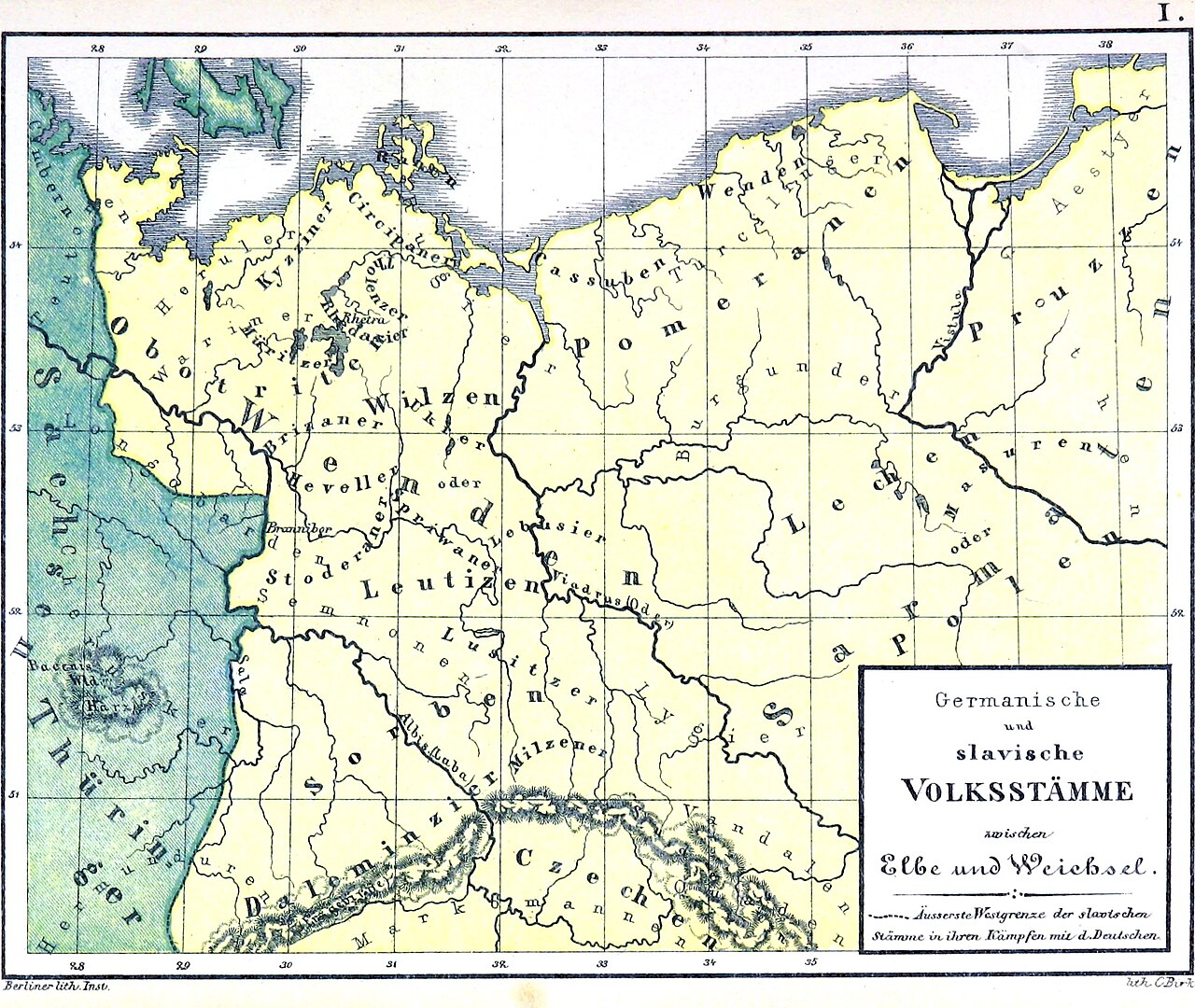
Unlike their cousins to the east, the Polabians clung stubbornly to their ancient pagan beliefs. In the harsh political climate of the Middle Ages, religion was as much a political shield as a spiritual compass. Their steadfast refusal to accept Latin Christianity provided the expanding German margraves with a convenient religious pretext for conquest. Over centuries of grueling warfare—culminating in the devastating Wendish Crusade of 1147—the Polabian lands were subjugated. Their strongholds were shattered, their sanctuaries burned, and their people slowly assimilated. Today, only the Lusatian Sorbs remain to sing the songs of their ancestors.
The Piast Dynasty: Architects of a Kingdom
While the Polabian ship was breaking apart in the storm of the German Ostsiedlung, the Polans (dwelling in the region of Greater Poland) were forging a vessel capable of riding out the tempest. Their shipwrights were the rulers of the Piast Dynasty.
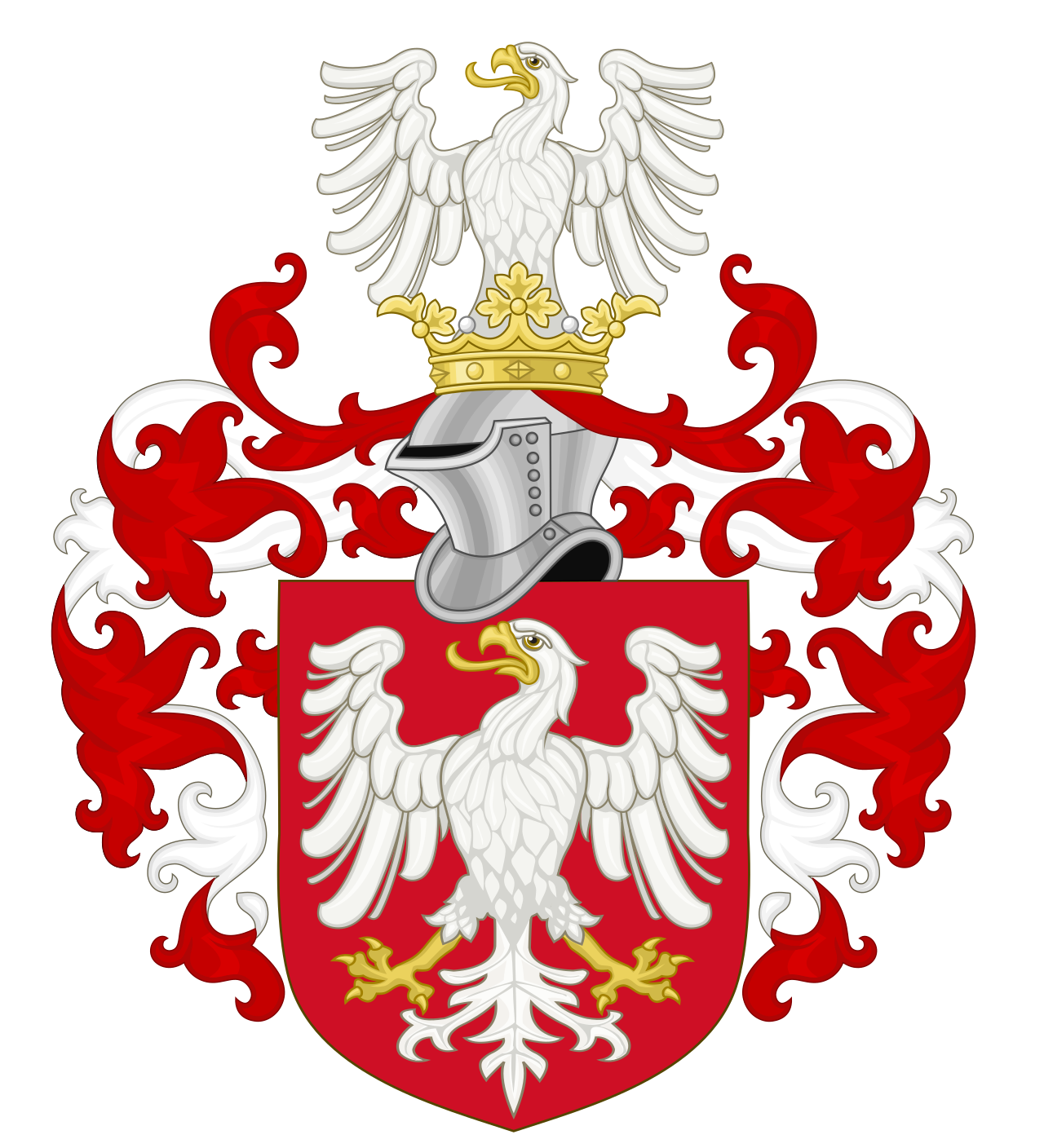
The first historically documented captain of this state was Mieszko I (c. 960–992). Mieszko was a shrewd political navigator. He realized that to survive the pressures from the Holy Roman Empire, he needed to anchor his realm to the broader Christian world. In 966, he accepted the Baptism of Poland—not from the threatening German clerics, but via the safer harbor of Bohemia. This singular diplomatic maneuver secured Poland’s sovereignty, integrating the emerging state directly into Latin Western civilization without becoming a vassal of its immediate Germanic neighbors.
His son, Bolesław I the Brave (992–1025), transformed the realm from a defensive stronghold into an expansive empire. A brilliant military commander, Bolesław pushed Poland's borders west to the Elbe and east to Kiev. In 1025, recognizing the undeniable might of his realm, he was crowned the first King of Poland.
The Crossroads of Blood
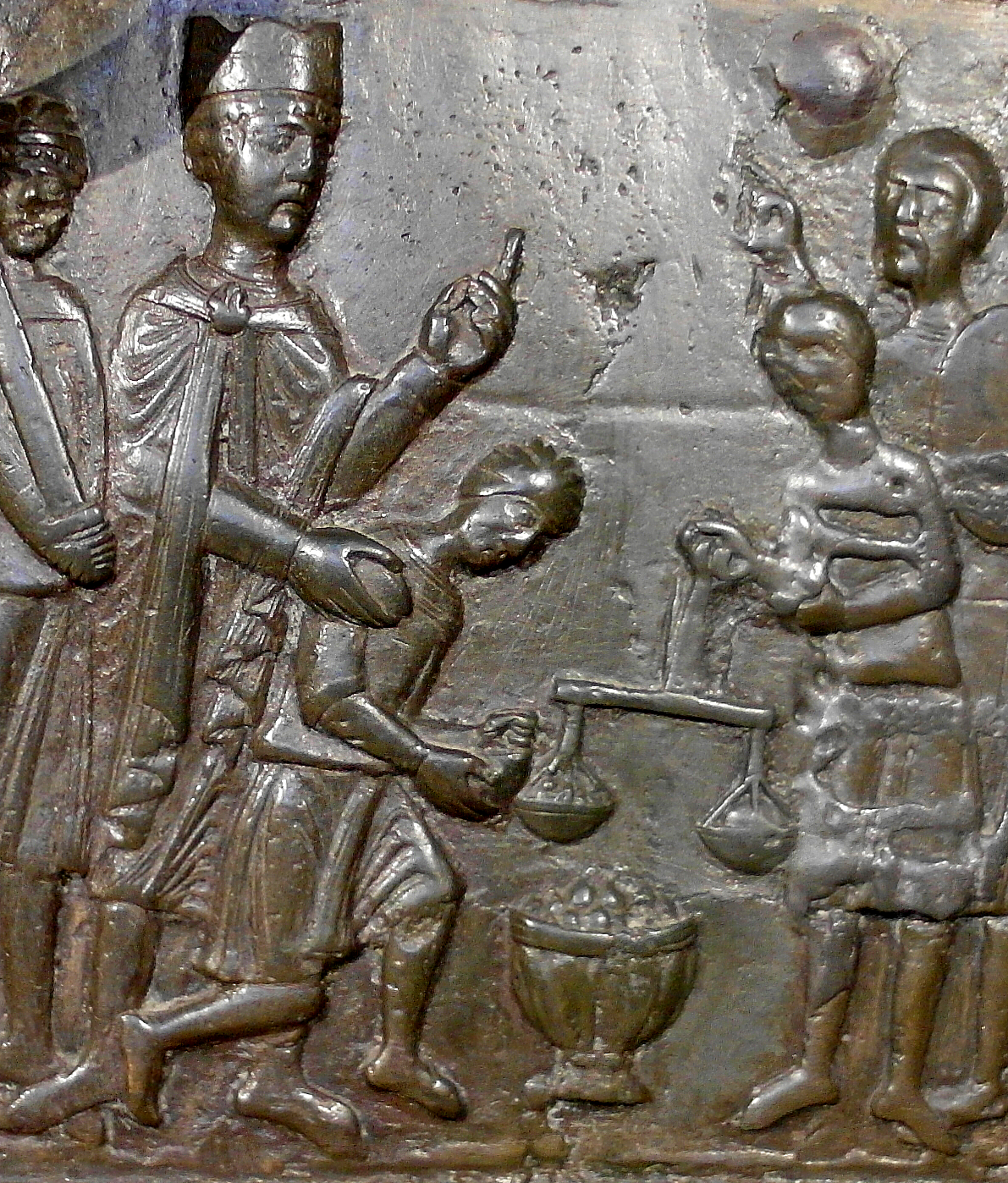
Despite their shared linguistic and cultural heritage, the Piasts and the Polabians were not always allies. As the Piasts sought to secure their newly christened state, they often clashed with their pagan neighbors. Mieszko I fiercely battled the Veleti tribes to secure control over Western Pomerania and the strategic mouth of the Oder River. Later Piast kings, like Bolesław III Wrymouth, would launch campaigns to bring remaining Polabian-adjacent lands under Polish influence, hoping to prevent them from becoming launching pads for German incursions.
The Piasts succeeded through centralized leadership, strategic religious conversion, and military modernization (building massive gords or strongholds). The Polabians, fragmented and resistant to the changing tides of European geopolitics, were swallowed by the waves of history.
The Captain's Reflection
One might find a profound maritime lesson in the divergent fates of the Polabians and the Piasts. The sea of history does not forgive those who refuse to read the changing winds. The Polabians were brave sailors, fierce and unyielding, but they lashed themselves to a sinking anchor of outdated alliances and isolated traditions. They fought the storm head-on, and it broke them.
The Piasts, however, were pragmatists. When Mieszko I accepted the cross, he did not surrender his ship; he merely hoisted a new flag that allowed him safe passage through hostile waters. He understood that to preserve the core of his people, he had to adapt to the currents of his time. True piracy—true survival—is rarely about blind defiance. It is about knowing when to fight, when to parley, and when to catch the wind and leave your enemies floundering in your wake.
Further Reading
* Polabian Slavs (Wikipedia)* Piast Dynasty (Wikipedia)
* Mieszko I of Poland (Wikipedia)
* Wendish Crusade (Wikipedia)