The Fairbanks Pioneer Spirit: Taverns, Midnight Sun, and Faith on the Last Frontier
The Fairbanks Pioneer Spirit: Taverns, Midnight Sun, and Faith on the Last Frontier
From the Captain's Treasure Trove. Situated in the vast Tanana Valley of Alaska's interior, only a hundred miles south of the Arctic Circle, Fairbanks is known as the "Golden Heart City." While born from the frenzy of gold fever at the turn of the twentieth century, its true enduring wealth has never been gold dust, but the indomitable pioneer spirit of its people.
From Riverboat Stranding to Subarctic Bastion
The origin of Fairbanks is inextricably tied to the waterways of the north. In August 1901, Captain E.T. Barnette, seeking to establish an interior trading post, chartered the shallow-draft sternwheeler riverboat SS Lavelle Young. Heading up the Tanana and Chena rivers, the vessel ran aground on shallow gravel bars.
Forced to unload his cargo of trade goods upon the wilderness riverbank, Barnette founded a temporary camp. A year later, in July 1902, the Italian immigrant prospector Felix Pedro struck gold in the nearby hills, shouting his legendary proclamation: "There's gold in them thar hills!"
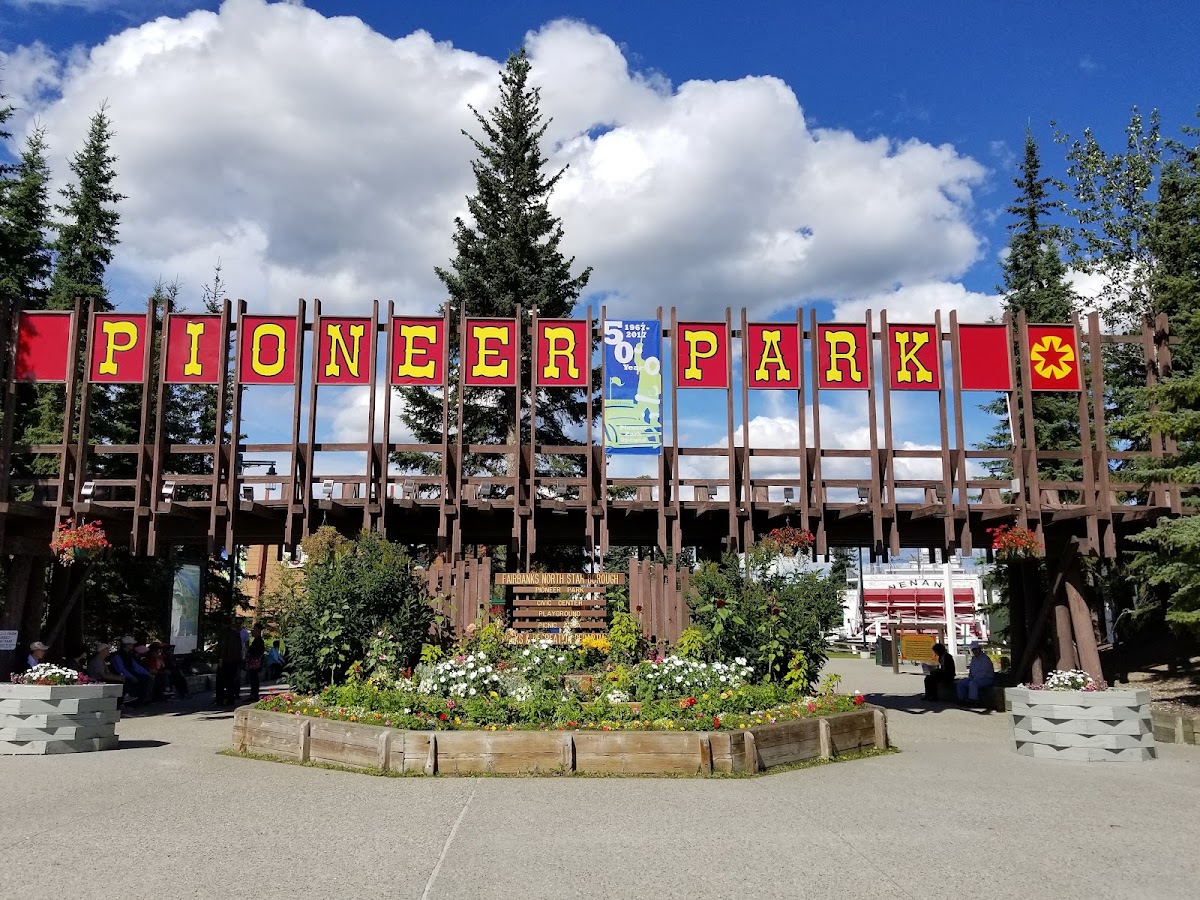
What began as a chaotic gold rush camp quickly transformed into an enduring community. Massive sternwheeler riverboats—such as the historic five-deck SS Nenana (the second-largest wooden hull vessel in existence, preserved today at Pioneer Park)—plied the Tanana and Yukon rivers, transporting mail, provisions, and hardy pioneers through the interior wilderness.
The Pioneer Spirit and Subarctic Solidarity
Surviving life in the interior of Alaska demands a unique psychological and communal resilience:
The Extremes of Climate: Fairbanks experiences temperature swings of more than 130°F throughout the year—from blistering summer days of nearly 24-hour sunlight (The Midnight Sun*) to winter lows plunging below -50°F (-45°C) where ambient moisture freezes instantly in the air.
The Code of the North: In such severe subarctic cold, individualism is tempered by absolute neighborly solidarity ("knickarm"* / mutual aid). Leaving a stranger stranded on a frozen trail or turning a wanderer away from a warm door is unthinkable.
* Resourcefulness: From log cabin construction and wild berry foraging to wood-stove heating and aircraft mechanics in the frozen bush, the pioneer spirit is defined by self-reliance balanced with profound community loyalty.
The Tavern as Communal Hearth: Social Sanctuaries of the North
In a land where winter darkness envelops the landscape for twenty hours a day, the local tavern is far more than a place to drink—it is the civic living room, the community news exchange, and the warm hearth of the frontier.
Fairbanks is home to a rich tavern culture that spans generations:
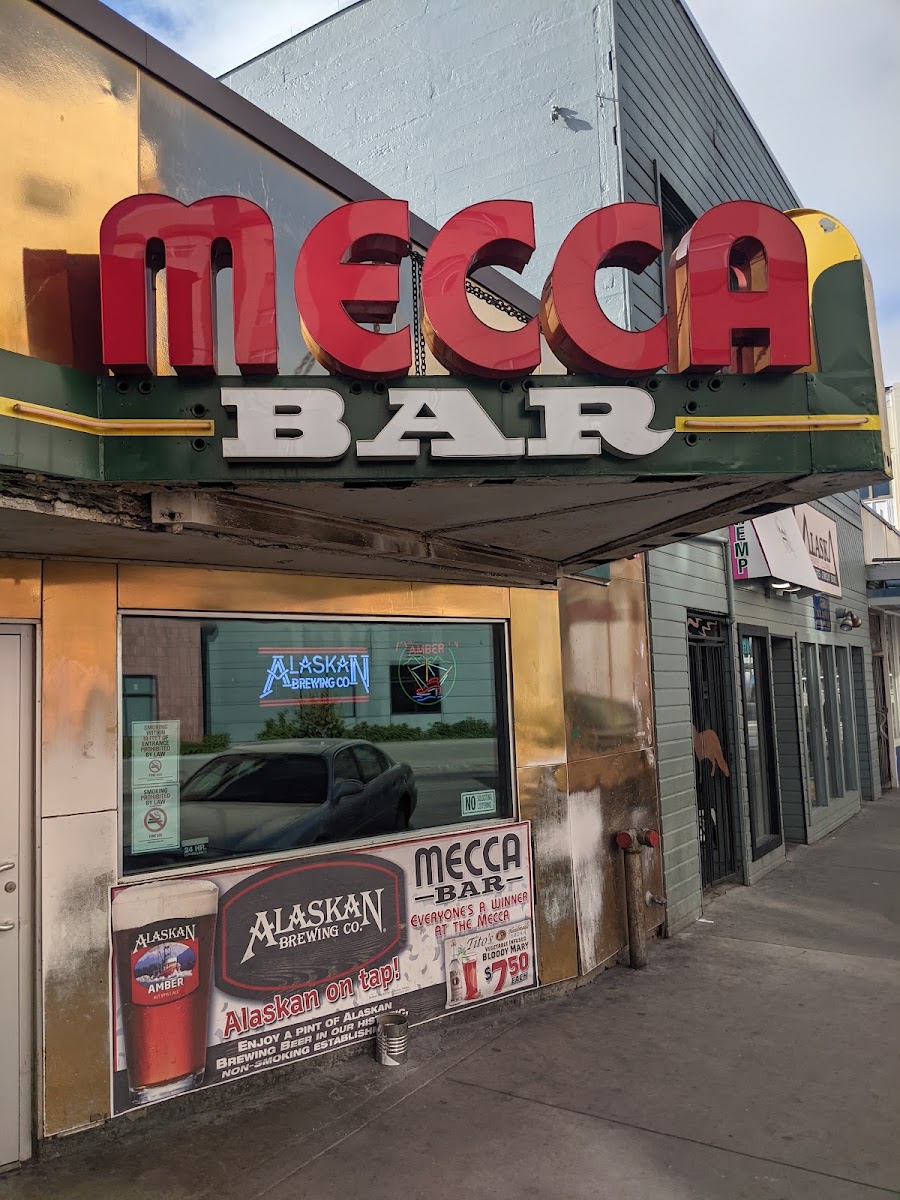
1. The Historic Saloons: Establishments like the Mecca Bar on Second Avenue (operating continuously since 1905) have welcomed miners, dog mushers, railroad workers, and modern bush pilots for over a century. Over pints of local ale and classic bitters like Fernet Branca, frontier tales are passed down without embellishment.
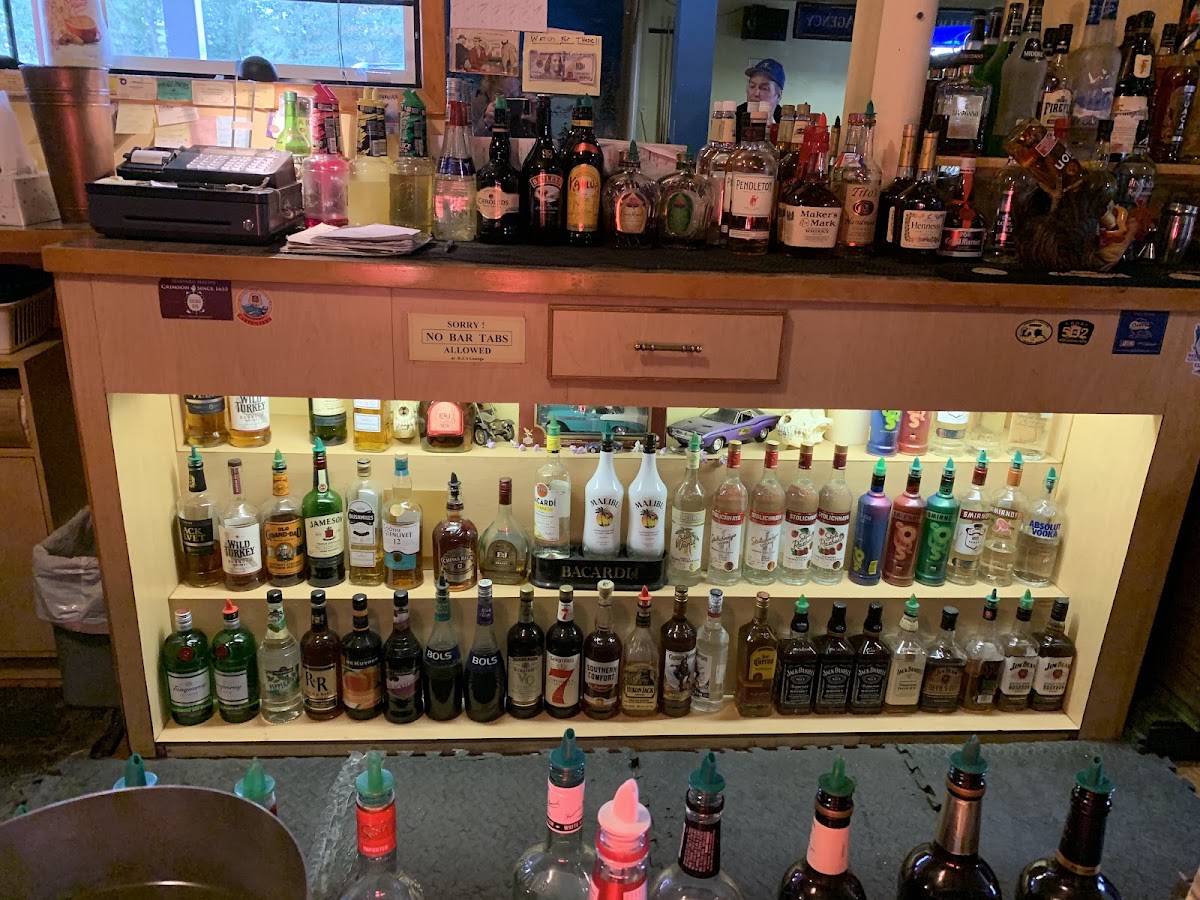
2. Neighborhood Lounges & Gathering Places: Intimate spots such as RJ's Lounge, The Spur, and The Local provide friendly refuge for locals, travelers, and service members from nearby Fort Wainwright and Eielson Air Force Base. Here, strangers are welcomed with open warmth, whether debating frontier politics, playing darts, or enjoying German-style wheat beer and blueberry beer concoctions.
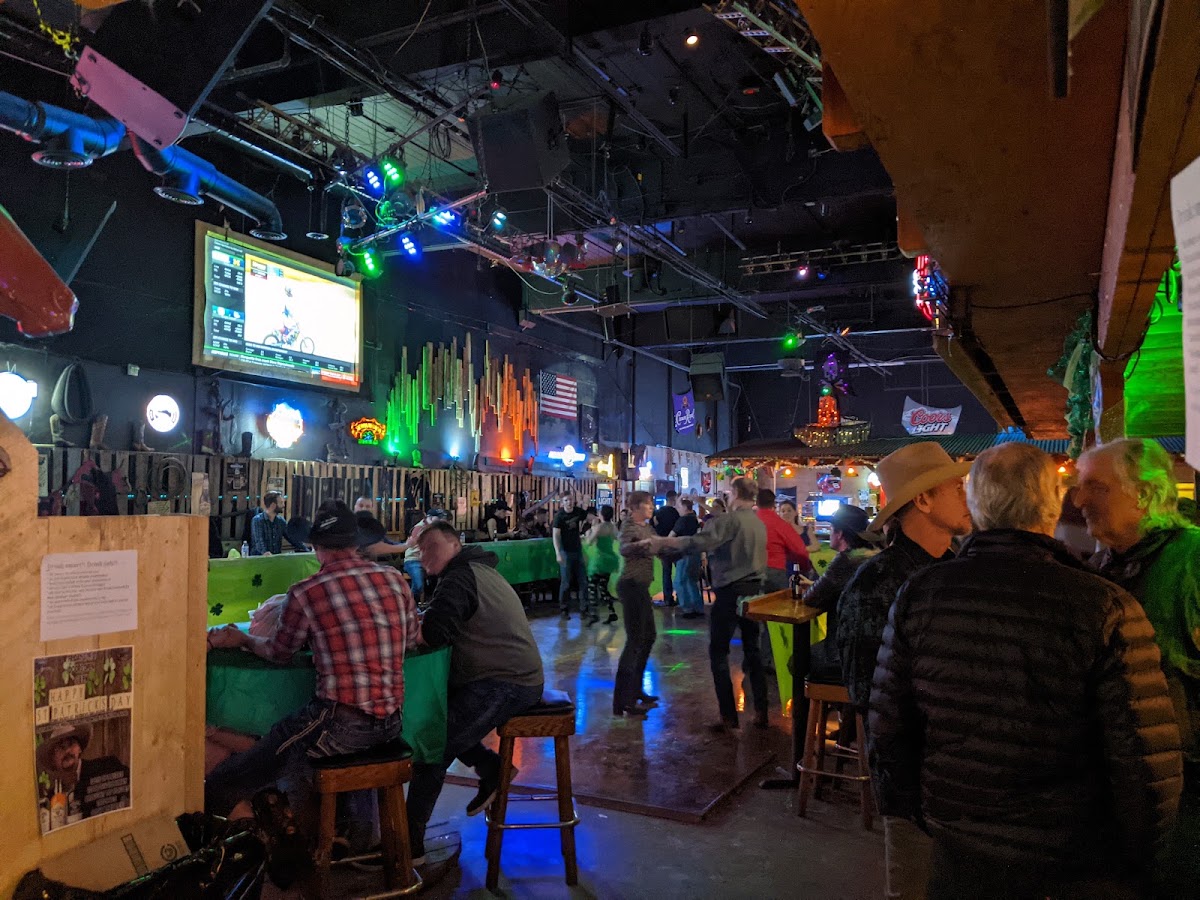
3. The Culture of Unhurried Conversation: Unlike rushed metropolitan establishments, Alaskan taverns foster slow, meaningful conversations where generational residents, Indigenous elders, and visiting wanderers exchange life stories around shared tables.
Faith and Spiritual Harmony Under the Northern Lights
The spiritual landscape of interior Alaska is as expansive as its boreal forests, reflecting a harmonious coexistence of ancient traditions and pioneer congregations:
Athabascan Raven Cosmology: For thousands of years, the Koyukon and Tanana Athabascan peoples have honored the sacred spiritual order of the natural world. Central to their lore is Raven (Dotson' Sa*), the trickster-creator who brought light to the world and whose presence is revered across Alaska's art and storytelling.
* Russian Orthodox Heritage: Dating back to the Russian-American period (1799–1867), Russian Orthodox missionaries established churches across Alaska, blending traditional Byzantine liturgy with Native Alaskan languages and customs. Historic wooden onion domes and three-barred crosses still grace interior settlements.
* Pioneer Chapels and Diverse Denominations: During the gold rush, Catholic Jesuit missionaries, Episcopal priests, Lutheran ministers, and Presbyterian circuit-riders erected log chapels along the riverbanks. Today, Fairbanks hosts a vibrant array of Christian denominations, synagogues, Islamic community centers, and Buddhist meditation groups, all practicing peaceably under the dancing curtains of the Aurora Borealis.
The Captain's Reflection
The Captain observed that gold may draw men into the wild, but only fellowship can keep them alive in the frost. In Fairbanks, where the winter thermometer drops into the blue depths of the spirit, one learns that the true treasure of the North is found not in river gravel, but in the welcoming smile of a barkeep, the steady handshake of a fellow voyager, and the quiet reverence of a people who know how to stand together against the cold.
Whether sharing a meal at a homestyle counter, raising a glass of Weißbier beneath the summer midnight sun, or listening to the ancient tale of the Raven who stole the stars, the traveler in interior Alaska is reminded that warmth is a communal creation—forged in faith, grit, and enduring kindness.
Further Reading
* Fairbanks, Alaska (Wikipedia)* Felix Pedro & The Fairbanks Gold Rush (National Park Service)
* Pioneer Park & SS Nenana Historic Landmark
* Tanana Athabascans & Cultural Traditions (University of Alaska Fairbanks)
* Mecca Bar & Historic Second Avenue History