Anchorage: Crossroads of the North, Cook Inlet, and Knik Arm
Anchorage: Crossroads of the North, Cook Inlet, and Knik Arm
From the Captain's Treasure Trove. Perched upon a dramatic coastal bluff between the snow-capped Chugach Mountains and the silt-laden waters of Cook Inlet, Anchorage stands as the great northern crossroads of the subarctic world. Neither fully untamed wilderness nor ordinary metropolis, it is a city born of maritime necessity, railroad pioneering, and relentless northern grit.
The Waters of Cook Inlet and the Treacherous Knik Arm
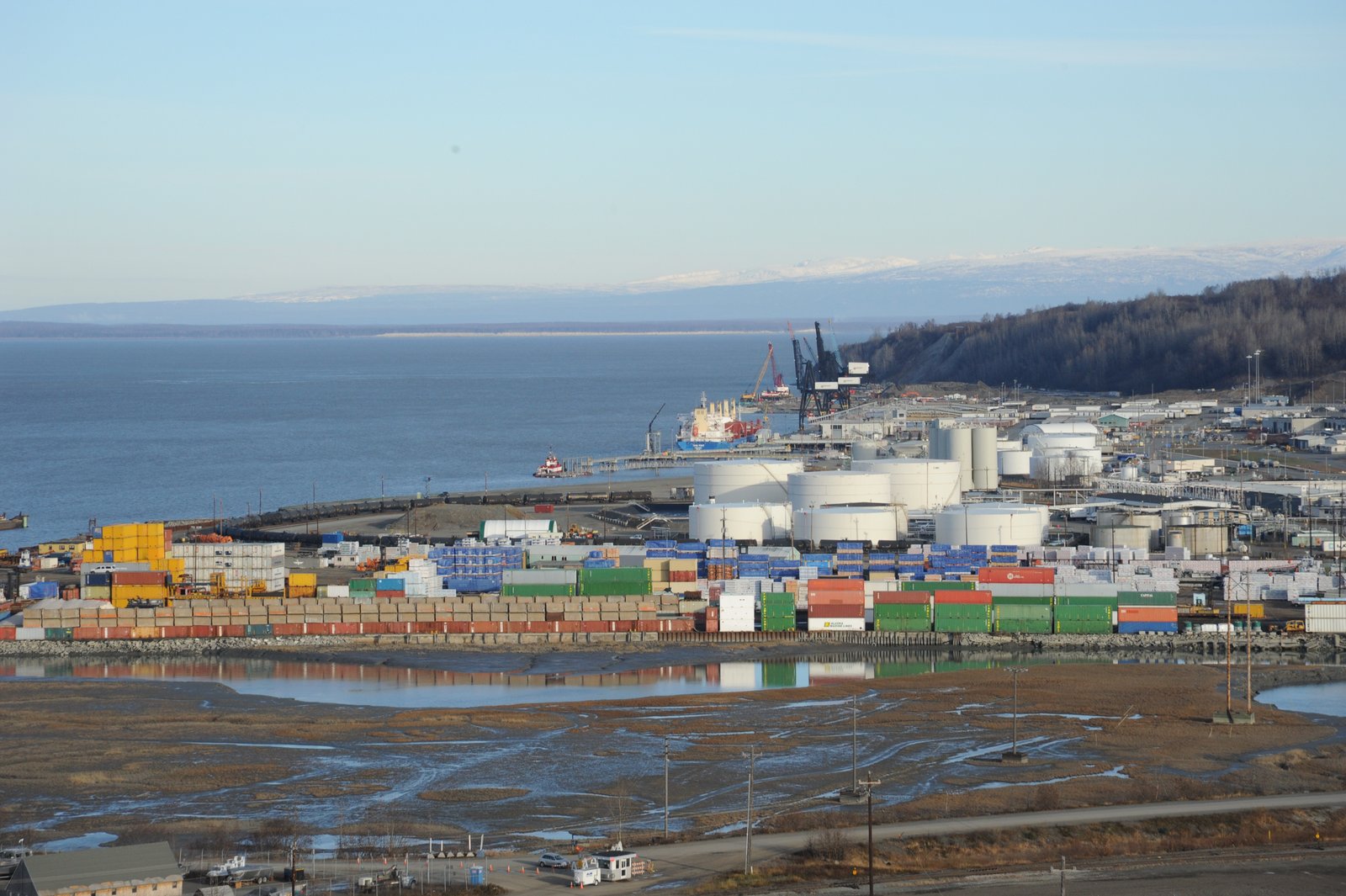
The maritime approach to Anchorage is among the most hydrographically demanding in the world. Cook Inlet stretches 180 miles from the Gulf of Alaska into two narrow northern branches that cradle the Anchorage peninsula: Turnagain Arm to the south and Knik Arm to the north.
```
[ Knik Arm ] ~ ~ ~ ~ ~ (Glacial Mudflats & Bore Tides)
|
+-------v-------+
| PORT OF |
| ALASKA |
+-------+-------+
|
[ ANCHORAGE ] <=======> [ Chugach Mountains ]
|
+-------v-------+
| Turnagain |
| Arm |
+---------------+
```
The Knik Arm (named after the Dena'ina Athabascan village of Knik, meaning "fire" or "swift water") is famed for its extreme physical dynamics:
1. Colossal Tidal Range: Cook Inlet experiences the second-highest tidal variations in North America (exceeded only by the Bay of Fundy), with vertical water level changes exceeding 30 feet (9 to 10 meters).
2. Glacial Silt and Treacherous Mudflats: Rivers draining the Matanuska and Knik glaciers deposit vast quantities of ultra-fine "glacial flour." At low tide, the Knik Arm reveals expansive, deceptive mudflats that behave like quicksand.
3. The Bore Tide: As the incoming tide races into the narrowing inlet against retreating river currents, it creates a roaring wall of water known as a bore tide—a phenomenon navigated only by the most experienced mariners.
Maritime Logistics: The Port of Alaska and Arctic Sea Trade
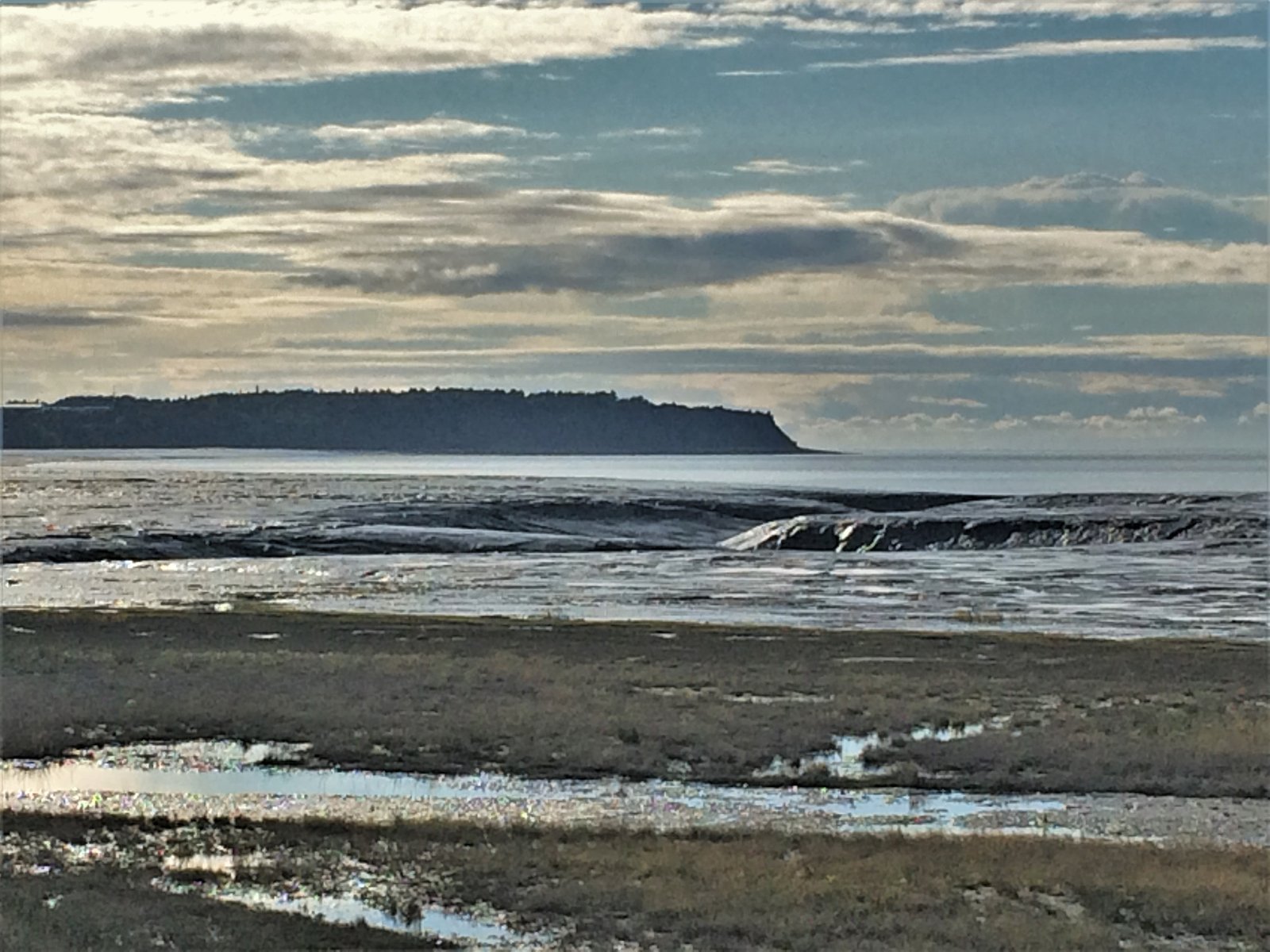
Anchorage is fundamentally an ocean-supplied stronghold. The Port of Alaska (historically the Port of Anchorage), situated on Knik Arm just north of downtown, is the undisputed commercial lifeline of the entire state.
Unlike deep southern harbors, the Port of Alaska operates under extreme conditions:
* Cargo Dominance: Over 90% of all liquid fuels, containerized retail goods, food, and heavy vehicles destined for Alaska's interior, railbelt, and remote bush communities pass through this single maritime facility.
Winter Navigation & Knuckleboom Systems: During subarctic winters, Knik Arm fills with moving pan ice. Specialized ice-class cargo vessels, tugs, and high-capacity knuckleboom cranes (Knickarmkrane*) work ceaselessly through sub-zero blizzards to unload cargo directly onto Alaska Railroad freight cars and highway transports.
* Strategic Arctic Position: Due to the curvature of the globe, Anchorage sits equidistant between Tokyo, Frankfurt, and New York, making its maritime and aviation corridor one of the most critical logistical hubs on the planet.
The Multicultural Tapestry: Living Together on the Last Frontier
While outsiders often imagine Alaska as an isolated frontier outpost, Anchorage is in truth one of the most culturally diverse communities under the northern sky.
The Indigenous Foundation
The region has been inhabited for millennia by the Dena'ina Athabascan people, who knew the Anchorage area as Dgheyay Kaq' ("mouth of the needlefish stream," now Ship Creek). Indigenous heritage remains deeply woven into the city's identity through institutions such as the Alaska Native Heritage Center, celebrating the traditions of the Dena'ina, Yup'ik, Cup'ik, Iñupiat, Aleut, Alutiiq, Eyak, Tlingit, Haida, and Tsimshian peoples.Global Crossroads in the Subarctic Bowl
According to demographic studies, the Anchorage School District encompasses students speaking more than 100 distinct languages. East Anchorage high schools consistently rank among the most ethnically diverse in the entire United States:* Pacific Islander & Asian Diasporas: Large, vibrant Samoan, Tongan, Filipino, Hmong, Korean, and Hawaiian communities have put down deep roots, creating a unique northern Pacific cultural fusion.
* European & Hispanic Traditions: Generations of Scandinavian fishermen, German artisans, Slavic settlers, and Latin American families live side by side.
Community Harmony: In a climate where winter temperatures plummet and darkness reigns for months, mutual reliance transcends ethnic boundaries. Whether at neighborhood potlucks, the winter Fur Rendezvous* festival, or summer solstice gatherings on the Park Strip, the shared pioneering spirit binds diverse neighborhoods into an exceptionally tight-knit civic family.
The Captain's Reflection
The Captain observed that true harbors are defined not merely by the depth of their anchorages, but by the generosity of the hearths ashore. In Anchorage, where the cold grey tides of Knik Arm churn against the glacial mud and iron ships brave moving ice to sustain a distant land, one discovers that human warmth burns brightest where nature is most unforgiving.
To witness people of a hundred distant origins—from tropical archipelagos to Arctic tundra—standing shoulder to shoulder in the shadow of snowbound peaks, sharing provisions and stories of the voyage, is to see the finest virtue of the wanderer's creed: that beneath every flag and dialect, all sailors seek the same quiet anchorage.
Further Reading
* Municipality of Anchorage (Wikipedia)* Port of Alaska (Official Portal)
* Knik Arm & Cook Inlet Hydrography (NOAA)
* Dena'ina Athabascan History (National Park Service)
* Alaska Native Heritage Center